What is a home inspection?
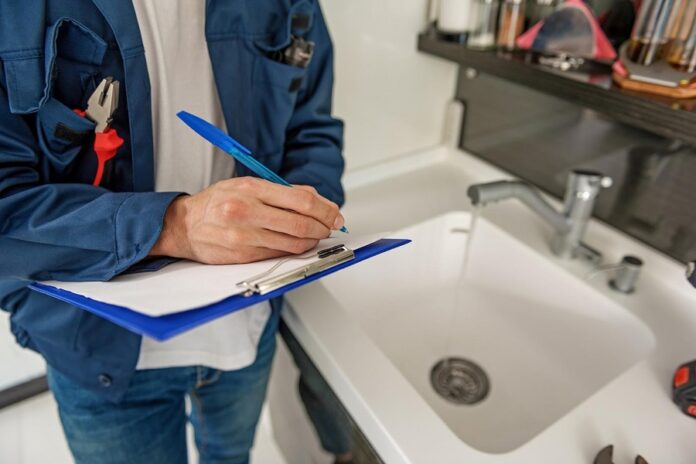
Answering this requires understanding what an inspection is and isn’t. A home inspection is a full inspection of your potential home, that will identify any defects that may cost you more money going forward. Your licensed inspector will follow a checklist of items to be sure the home is the quality that you expect. For example, an exterior inspection will include looking for missing, damaged or curling/cupping shingles. That would indicate that the roof needs repair, or even replacement, and an estimate of the time frame for those repairs. This will give you bargaining power as you make your offer on the home. They’ll also look at flashing around roof penetrations, to be sure it’s in good condition. An inspection will also include the state of major systems, like plumbing, electrical, and heating/cooling components.
What do home inspectors look for?
A qualified, experienced and licensed inspector is hired to provide their educated observations about the condition of the house to be purchased. They will provide the buyer with a report that will be filled with information about the structure and mechanicals. Inspectors work for the buyer of a property, not the seller. They are your assurance that the property you are buying is in good condition, and if it’s not, what items need to be repaired. This gives you as the buyer the option to negotiate for those items to be fixed before you occupy the property, or to have allowances written into your offer.
How do you find a home inspector?
Home inspectors work within the real estate realm, and often agents and lenders have preferred inspectors they use and can recommend. If you are choosing your own, look for a company that is bonded and insured. Make sure they are licensed by the state, and check the Better Business Bureau to be sure they have a good reputation and no complaints. You can even ask to view previous reports to see how thorough they are when the inspect a home. Costs vary, and are usually the buyer’s responsibility. If you need or want additional testing for things like mold, mildew, radon, and asbestos, you may run into additional fees, so be sure to ask about those items up front.
Is an inspection mandatory?
As I’m writing this, the market is low on inventory, and it’s a seller’s market. Many buyers are waiving their inspections in order to compete for the limited homes available. Weigh the factors at the time you are searching for your home. Inspections are not required, but they are recommended. You’ll go into your new home with your eyes open to needed repairs and an idea of what requires care. But there is some wiggle room: You can have an inspection, but not make the purchase of the home contingent upon the results.
Happy house hunting!
Melissa